Poison Ivy Removal in Harford County, MD
Poison ivy removal services focus on safely eliminating this invasive plant from residential properties, including yards, gardens, and wooded areas. These services typically involve identifying the presence of poison ivy, carefully removing the plants, and ensuring that the root systems are fully eradicated to prevent regrowth. Property owners often request this service to protect children, pets, and themselves from contact with the plant’s skin-irritating oils, as well as to maintain a safe and attractive outdoor space.
Before requesting poison ivy removal, property owners usually want to understand the extent of the infestation, the best methods for removal, and whether the plants are located near desirable landscaping or structures. It’s also helpful to know if the removal process will involve chemical treatments or manual removal, and what post-removal steps may be recommended to prevent future growth. Clear communication about these concerns can help ensure the project is completed effectively and safely.
Many property owners in Harford County, MD look into Poison Ivy Removal for repairs, replacements, upgrades, and appearance-related improvements.
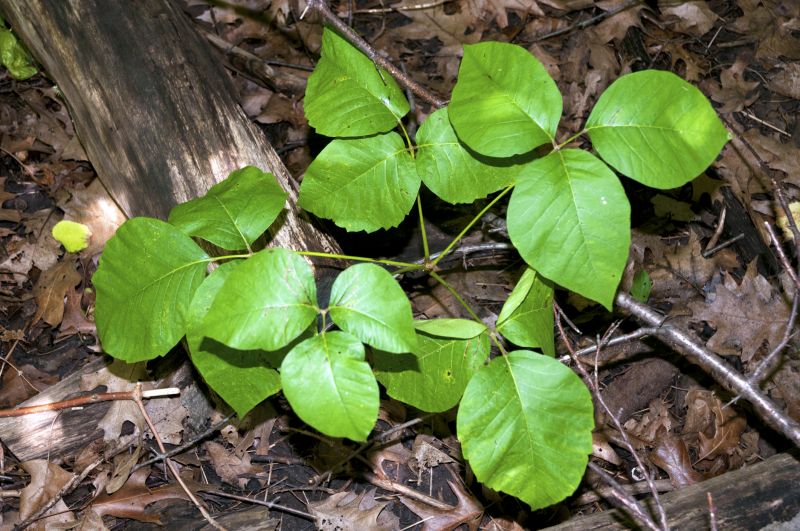
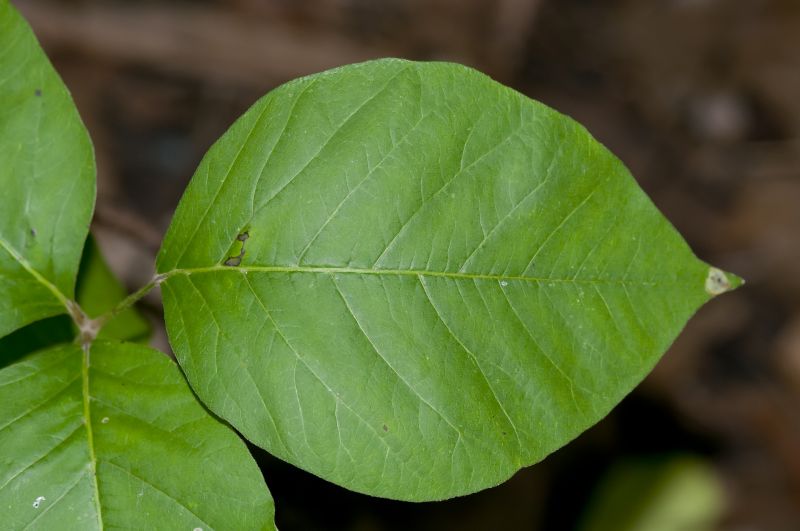
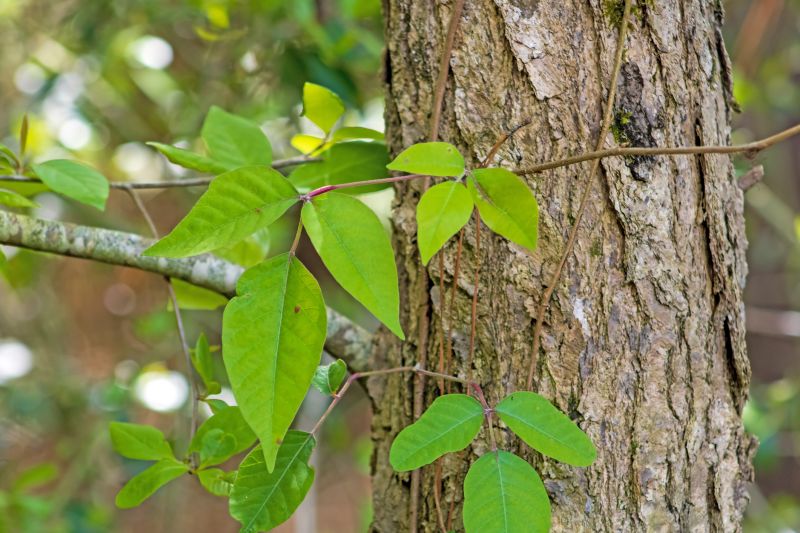
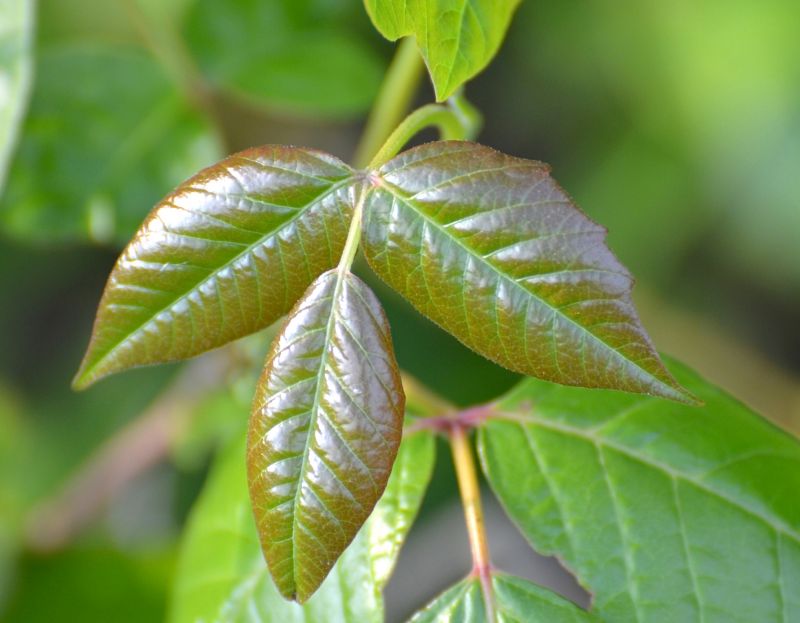
Identifying Poison Ivy
Recognizing poison ivy growth on residential and commercial properties in harford county, md.
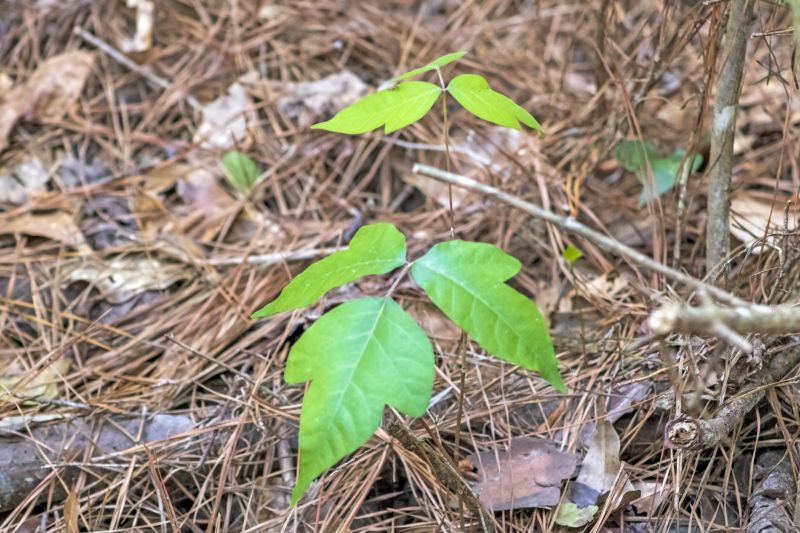
Safe Removal Methods
Utilizing effective techniques to eliminate poison ivy while protecting surrounding plants and landscape.
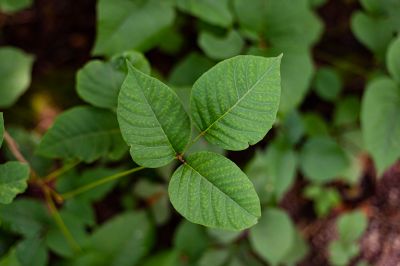
Prevention And Maintenance
Implementing strategies to prevent regrowth and keep properties safe from poison ivy in harford county.
Poison Ivy Removal in Harford County, MD
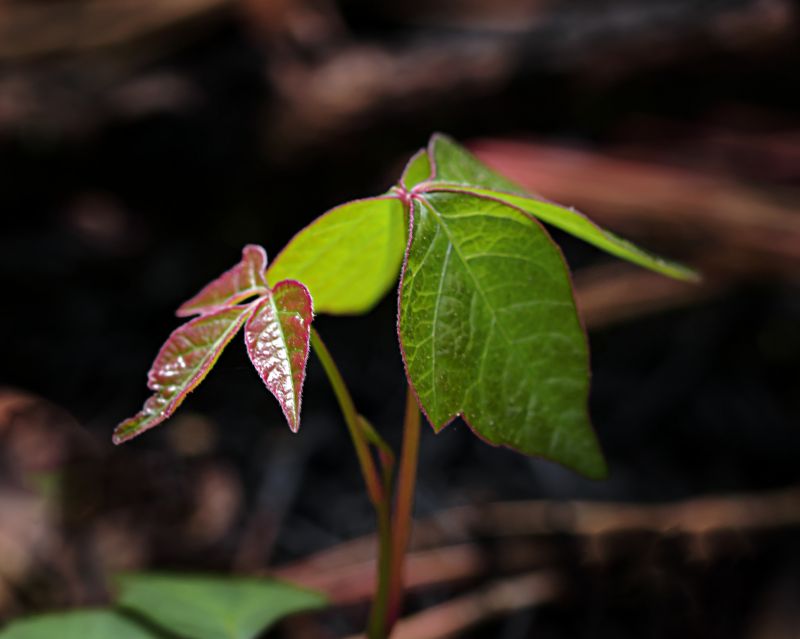
Poison ivy removal services focus on safely eliminating this invasive plant from residential properties, including yards, gardens, and wooded areas. These services typically involve identifying the presence of poison ivy, carefully removing the plants, and ensuring that the root systems are fully eradicated to prevent regrowth. Property owners often request this service to protect children, pets, and themselves from contact with the plant’s skin-irritating oils, as well as to maintain a safe and attractive outdoor space.
Before requesting poison ivy removal, property owners usually want to understand the extent of the infestation, the best methods for removal, and whether the plants are located near desirable landscaping or structures. It’s also helpful to know if the removal process will involve chemical treatments or manual removal, and what post-removal steps may be recommended to prevent future growth. Clear communication about these concerns can help ensure the project is completed effectively and safely.
Many property owners in Harford County, MD look into Poison Ivy Removal for repairs, replacements, upgrades, and appearance-related improvements.
Common Poison Ivy Removal Jobs
Poison Ivy Removal - safe elimination of poison ivy from yards and landscapes.
Poison Ivy Removal - targeted removal to prevent plant spread and protect property.
Poison Ivy Removal - clearing overgrown areas where poison ivy poses a risk.
Poison Ivy Removal - professional removal to ensure thorough eradication and safety.
Poison Ivy Removal - removal services for residential lawns, gardens, and wooded areas.
Poison Ivy Removal - ongoing management to prevent regrowth and maintain property safety.
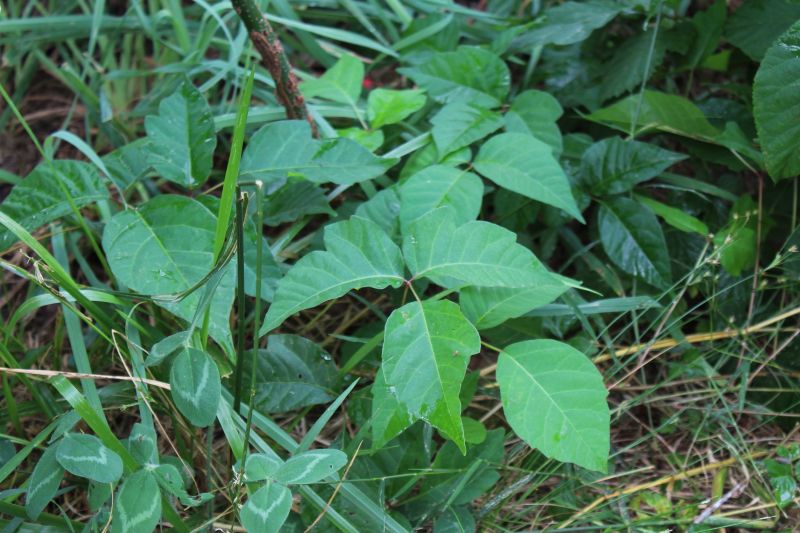
Poison Ivy Removal Questions
What is poison ivy removal? Poison ivy removal involves eliminating the plant from a property to prevent skin irritation and environmental spread.
Why should poison ivy be removed? Removing poison ivy reduces the risk of allergic reactions and prevents it from spreading to other areas of the landscape.
What methods are used for poison ivy removal? Techniques include manual removal, herbicide application, and targeted trimming to safely eliminate the plant.
When is the best time for poison ivy removal? The ideal time is during the plant’s active growing season, typically in late spring or early summer, for effective control.
Request Poison Ivy Removal in Harford County, MD
Use the quote form on this page to share the basics of your project and request more information for the type of work you need.